The Part of Jiu-Jitsu Nobody Writes on the Wall
Your first jiu-jitsu class comes with plenty of instruction about technique, but a lot of how the room works is never said out loud. That unspoken layer is jiu-jitsu etiquette: how you show up, how you treat the people you train with, and what you do when a submission is locked in. Most of it exists for one reason. In a sport where partners spend the whole class in close contact, everyone needs to trust that the person across from them will keep them safe.
The habits below are common across academies, but every school has its own details, so treat them as a starting point and follow your coach whenever something differs. If you are preparing to train at Gracie Barra Al Raha, knowing them in advance makes the first few weeks feel far less awkward.
DISCOVER Gracie Barra Al Raha
CLICK HEREMat Hygiene Comes Before Technique
Jiu-jitsu puts your skin, hair, and clothing against a partner's face for an hour at a time, which is why mat hygiene is the first rule nearly every academy enforces. Come to every session in freshly washed training clothes, keep fingernails and toenails short, and shower soon after class. The CDC's guidance on preventing skin infections among athletes lists the same basics for contact sports: wash uniforms after each use and do not share towels or bar soap.
Footwear matters too. Shoes stay off the mat, and wearing sandals whenever you step off it keeps you from carrying dirt from the restroom or the street back onto the surface where people put their faces. If you have an open cut, cover it well. If you notice a rash you cannot explain, skip training and have it checked before you return.
The academy shares this responsibility. Gracie Barra Al Raha describes its routine for keeping the mats and facilities clean, but that effort only holds up when every student arrives clean as well.
Tapping and Rolling: Where Trust Gets Tested
Hygiene protects everyone's health. The next two habits protect joints and keep sparring productive for both people involved.
Why Tapping Early Is a Skill
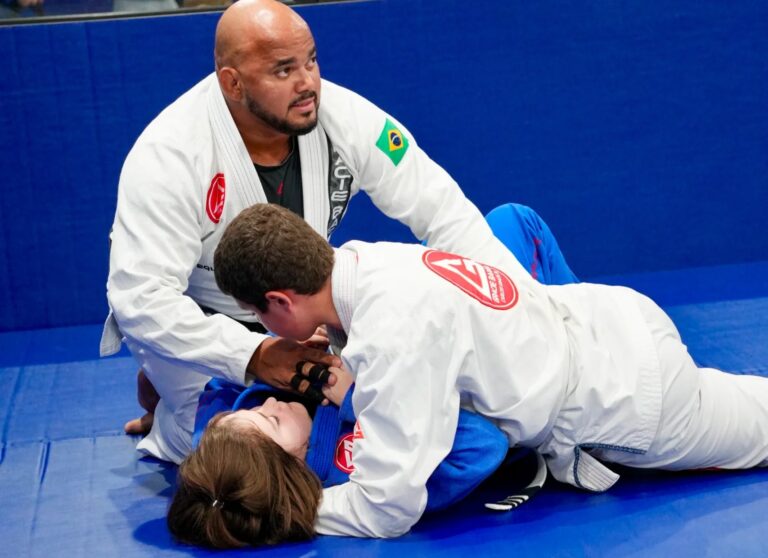
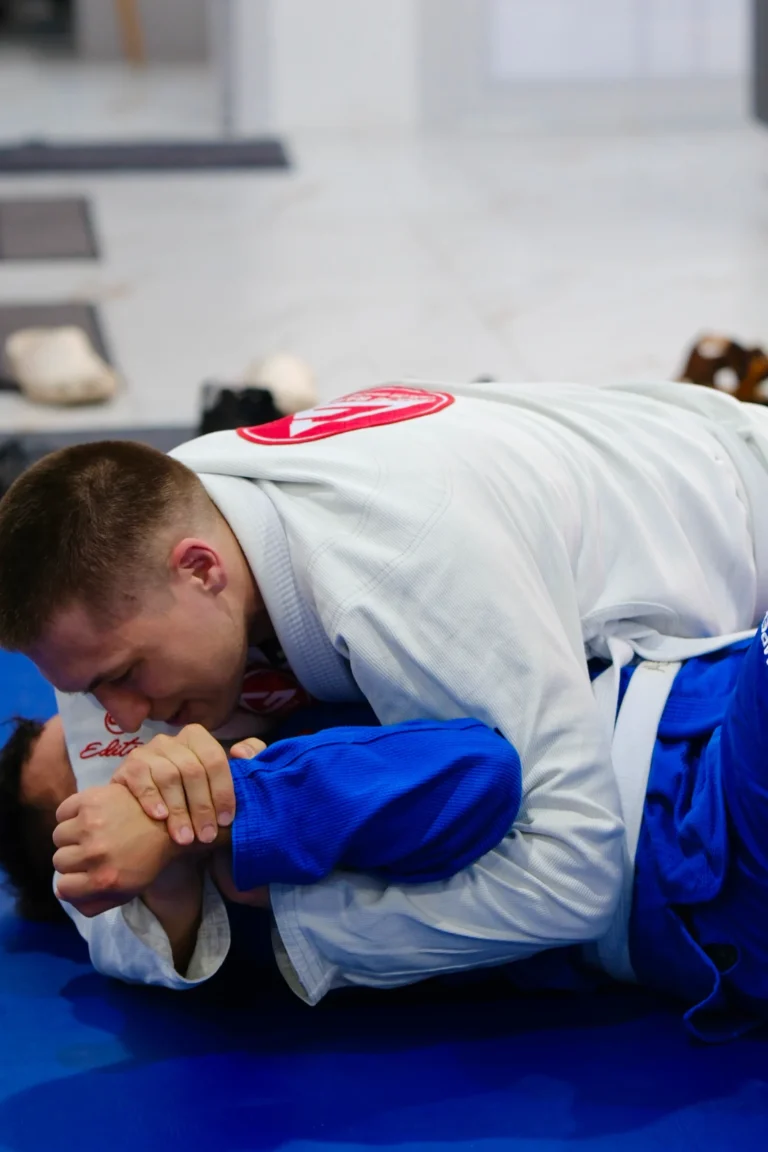
Tapping means signaling that you give up the position, usually by tapping your partner or the mat several times, or by saying “tap” out loud when your hands are trapped. Beginners often wait too long, hoping to escape a lock that is already tight, and that delay is where most avoidable injuries happen. Tapping early is not losing. It is how you get to train again tomorrow, which is why it appears among the practical tips for a new student's first month on the mats.
The rule cuts both ways. When your partner taps, release immediately and completely. If you are not sure whether they tapped, let go anyway; you can always restart the position.
Rolling Etiquette for New Students
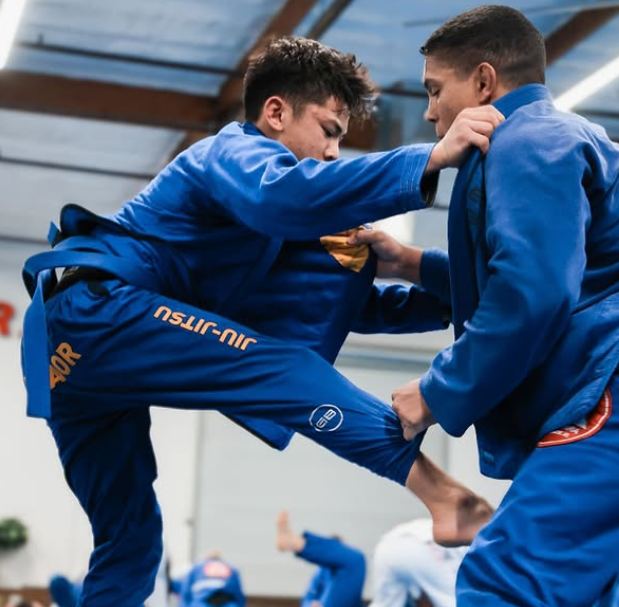
Rolling is jiu-jitsu's word for sparring. Good rolling etiquette starts with matching your intensity to your partner: slow down with someone smaller or newer, and do not try to win every exchange through explosive strength against someone more experienced. A quick “easy or hard today?” before the round removes the guesswork.
Pay attention to the space around you as well. If you are about to roll into another pair or a wall, pause, reset in open space, and continue. Beginners in the GB1 Fundamentals program start with controlled, cooperative practice, so these habits have time to form before live rounds become a regular part of class.
Respecting Instructors and Class Time
Class time is shared, so punctuality is part of the etiquette. Check the weekly class schedule and aim to arrive a few minutes early to change and warm up. If you are late, many academies ask you to wait at the edge of the mat until the instructor waves you in, rather than walking straight into the warm-up.
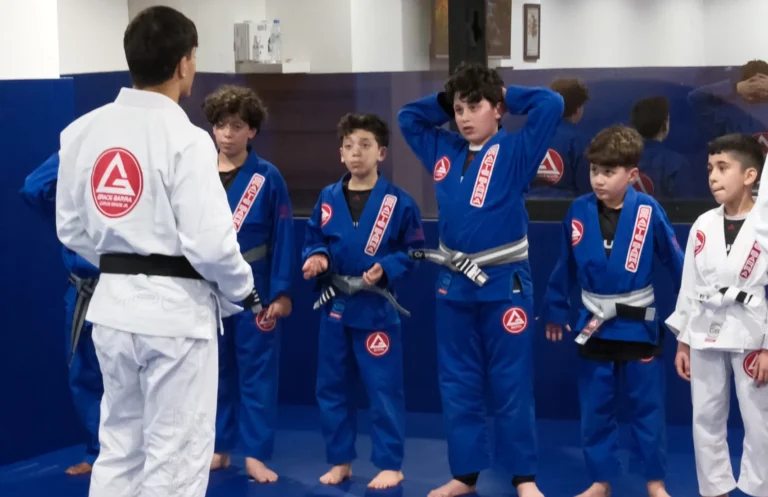
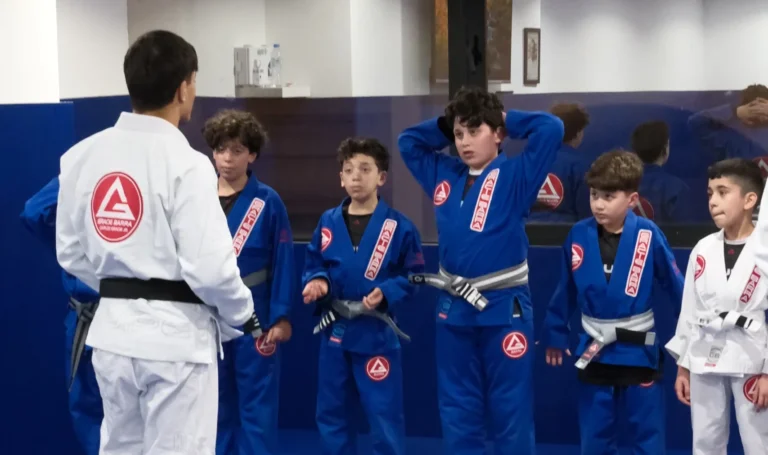
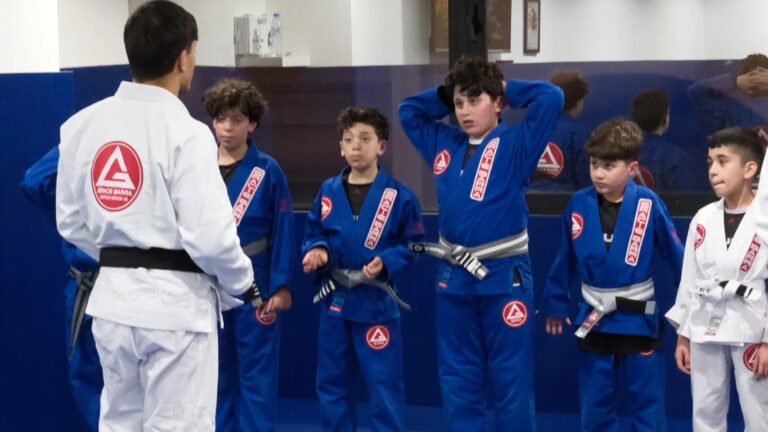
When the instructor starts explaining, stop drilling and listen. Save questions for drilling time and bring them to the instructor, especially when a partner offers conflicting advice. As a new student, resist the urge to coach someone else on a technique you learned ten minutes ago.
These expectations apply to younger students too. Listening before acting is part of what parents look for in jiu-jitsu classes that build a child's focus and confidence, and the adult mat runs on the same idea.
A Simple Routine Before and After Class
Etiquette becomes automatic faster when it is built into a routine. Before each session, a short checklist covers most of it:
- Pack freshly washed training clothes and a clean towel.
- Trim your nails if they have grown out since the last class.
- Bring sandals and a water bottle.
- Leave rings, watches, and earrings at home or in your bag.
After class, the routine is just as short: thank your partners, shower, and wash your gear the same day instead of leaving it in your bag overnight.
Handling the Awkward Moments
Even with good habits, uncomfortable moments happen. Suppose a partner keeps going hard after you asked for an easy round. You can tap, end the round politely, and mention it to the instructor afterward. That is not complaining; coaches want to know when a training dynamic is not working. The same applies if you accidentally hurt someone: stop, check on them, and tell the coach.
Competition adds a public layer to the same values. Shaking hands before and after a match and accepting a loss without excuses are part of the mindset work behind tournament preparation, and those habits start in ordinary training rounds.
DISCOVER Gracie Barra Al Raha
CLICK HEREJiu-Jitsu Etiquette Makes You a Better Training Partner
Jiu-jitsu etiquette comes down to a simple idea: train in a way that makes other people glad to be paired with you. Clean gear, early taps, controlled intensity, and attention to the instructor do more for your progress than any single technique, because they keep you training consistently with partners who trust you.
In your first classes, watch how experienced students behave and follow their lead. If anything is unclear, such as how late arrivals are handled or what to wear on no-gi days, ask the coaches at Gracie Barra Al Raha about the house rules instead of guessing.